New Discovery: The Hidden Trigger Behind High Blood Pressure

High blood pressure is often called a "silent" condition because it can develop without obvious warning signs.
Many people go about their daily lives without realizing that their blood pressure may be consistently higher than recommended levels.
And while factors such as diet, physical activity, stress, age and genetics can all play a role, researchers continue to investigate the many different mechanisms involved in blood pressure regulation.
Unlike many health problems, elevated blood pressure does not always produce noticeable symptoms.
That means someone can feel completely normal while their cardiovascular system is still being exposed to increased pressure.
Long-term elevated blood pressure can increase strain on the heart and cardiovascular system.
High blood pressure is an important risk factor associated with stroke and other cardiovascular complications.
Persistent hypertension can damage blood vessels that help the kidneys perform their normal functions.
Over time, elevated pressure can contribute to damage throughout the body's vascular system.
But What If There's Another Piece of the Puzzle?
Blood pressure regulation is more complex than a single factor. The body relies on multiple systems working together to maintain healthy circulation.
Among the areas researchers continue to examine is the role of minerals and electrolytes involved in fluid balance, vascular function and normal cardiovascular regulation.
A mineral imbalance doesn't necessarily explain every case of high blood pressure.
But understanding how these systems interact may provide another important piece of the blood-pressure puzzle.
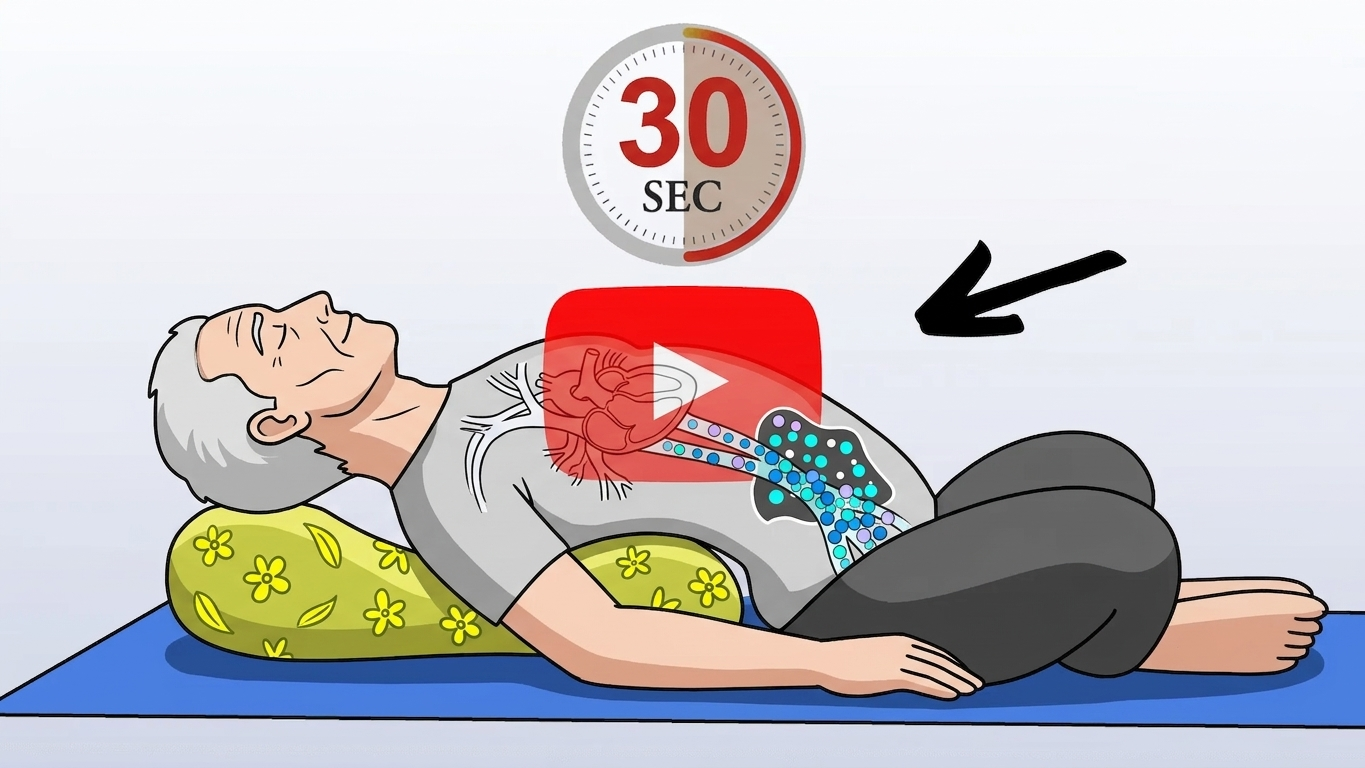
The 30-Second Method
A simple morning routine involving everyday ingredients has recently attracted attention as a way to support the body's natural systems involved in circulation and blood pressure regulation.
The idea is surprisingly simple — and takes only a few seconds to perform.
Could This Simple Routine Help Support Healthy Blood Pressure?
The full presentation explains the reasoning behind the method, how it is performed, and what researchers are investigating about this approach.
 CLICK HERE TO WATCH THE FULL PRESENTATION